বিকে হেলমেটের সর্বশেষ কোম্পানির খবর, নতুন পণ্য লঞ্চ, মোটরসাইকেল হেলমেট শিল্পের প্রবণতা, আন্তর্জাতিক নিরাপত্তা মান আপডেট এবং বিশ্বব্যাপী প্রদর্শনী ঘোষণার সাথে আপ টু ডেট থাকুন।
হালনাগাদ নিরাপত্তা বিধিমালা, বিকশিত হেলমেট প্রযুক্তি এবং 2026 সালের বাজারে অপ্রত্যয়িত নিম্ন-মানের পণ্যের বন্যার মধ্যে, একটি নির্ভরযোগ্যভাবে প্রতিরক্ষামূলক মোটরসাইকেল হেলমেট বেছে নেওয়া সমস্ত স্তরের রাইডারদের জন্য ক্রমশ চ্যালেঞ্জিং হয়ে উঠেছে। এই বিস্তৃত ক্রয় নির্দেশিকাটি সর্বশেষ ECE 22.06, DOT FMVSS 218 এবং Snell 2026 সার্টিফিকেশন মান, বিভিন্ন রাইডিং পরিস্থিতির জন্য স্টাইল ম্যাচিং, ABS এবং কার্বন ফাইবার সামগ্রীর মধ্যে পারফরম্যান্সের পার্থক্য, বৈজ্ঞানিক ফিটিং পদ্ধতি এবং সাধারণ পদ্ধতি সহ প্রতিটি ক্রিটিক্যাল ক্রয় ফ্যাক্টর ভেঙে দেয়। এটি রাইডারদের একটি প্রত্যয়িত, ভাল-ফিট করা, দৃশ্য-উপযুক্ত হেলমেট নির্বাচন করতে চেহারা এবং দামের মতো অতিমাত্রায় বিষয়গুলিকে ছাড়িয়ে যেতে সাহায্য করে যা প্রকৃত ক্র্যাশ সুরক্ষা প্রদান করে।
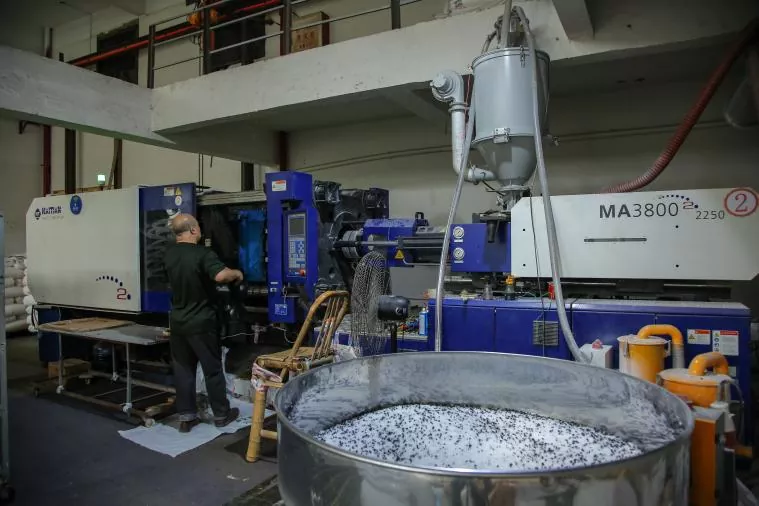
এই ইন-ডেপ প্রোডাকশন লাইন ট্যুর আমাদের এন্ড-টু-এন্ড স্বয়ংক্রিয় ABS হেলমেট উত্পাদন প্রক্রিয়ার মধ্য দিয়ে চলে, কাঁচামাল পরিদর্শন এবং নির্ভুল ইনজেকশন ছাঁচনির্মাণ থেকে উচ্চ-ঘনত্বের ইপিএস লাইনার তৈরি, পৃষ্ঠের সমাপ্তি এবং সম্পূর্ণ-প্রক্রিয়া গুণমান নিয়ন্ত্রণ। সমস্ত হেলমেট মূলধারার আন্তর্জাতিক নিরাপত্তা সার্টিফিকেশন মেনে ডুয়াল-লেয়ার নিরাপত্তা কাঠামো সহ প্রভাব-প্রতিরোধী ABS উপাদান গ্রহণ করে। আমরা গ্লোবাল ব্র্যান্ড, পরিবেশক এবং খুচরা বিক্রেতাদের জন্য নমনীয় অর্ডার ভলিউম সমর্থনকারী চেহারা, কার্যকরী নকশা এবং সম্পূর্ণ-রেঞ্জ মোটরসাইকেল প্রতিরক্ষামূলক গিয়ার কভারিং ওয়ান-স্টপ OEM কাস্টমাইজেশন অফার করি।
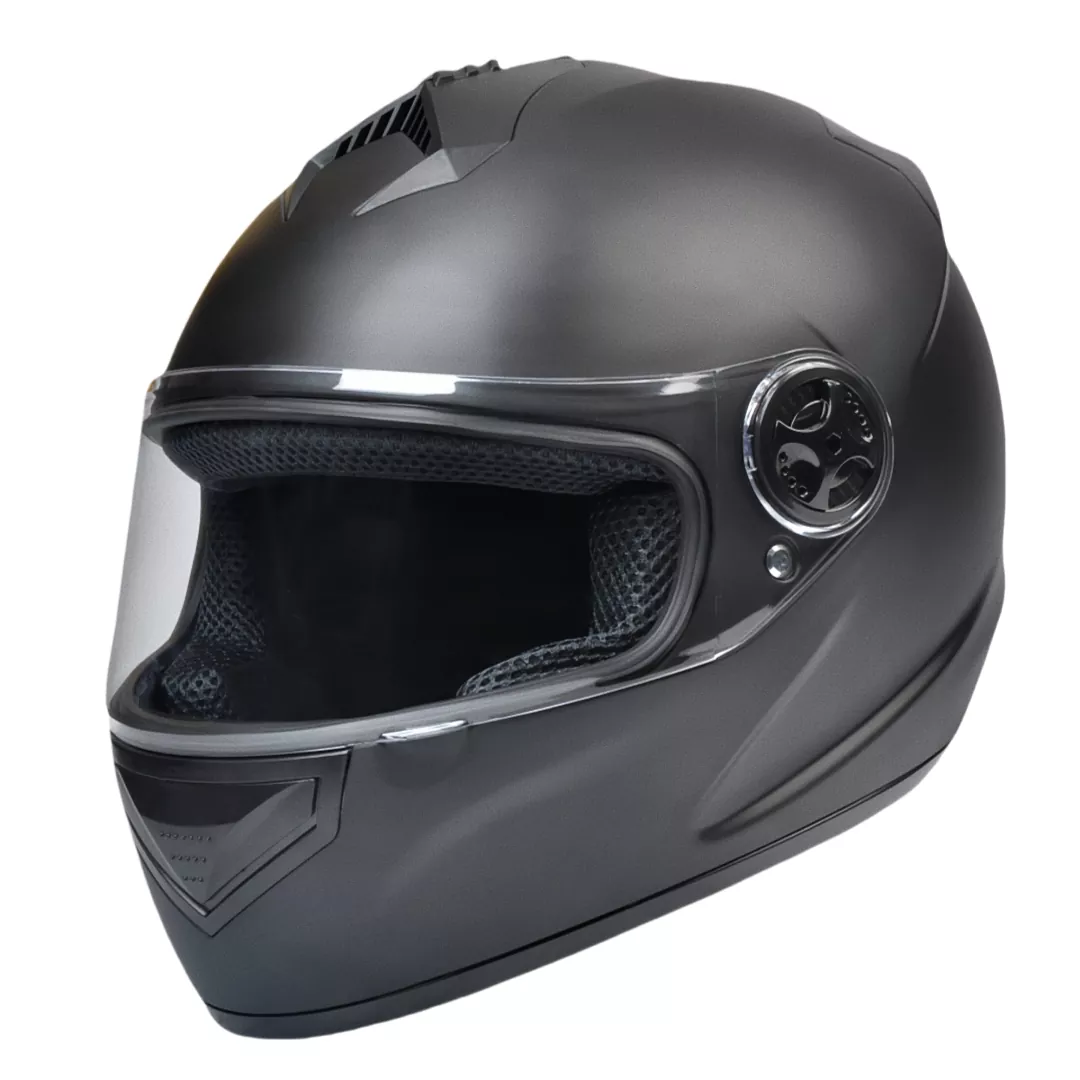
GB811-2022 ক্লাস A মানগুলির সাথে সঙ্গতিপূর্ণ, আমাদের ফুল-ফেস হেলমেটগুলি পুরো মাথা এবং চিবুককে রক্ষা করতে ABS শেল এবং EPS বাফার ব্যবহার করে। নিরাপদ, আরামদায়ক সব দৃশ্যে রাইডিংয়ের জন্য এগুলিতে বায়ুচলাচল, অ্যান্টি-ফগ লেন্স এবং ধোয়া যায় এমন লাইনার রয়েছে।
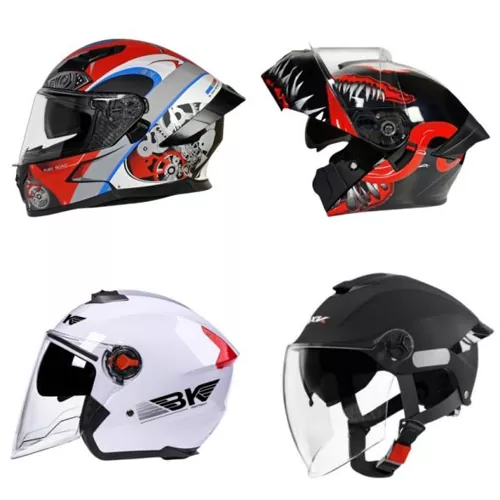
Wind noise is the unseen culprit that saps the most energy during long-distance rides. Many cyclists assume that all helmets are equally noisy, but in reality, the level of wind noise control is a key indicator of a helmet's engineering design. This article breaks down the sources of helmet wind noise, the differences in noise levels between various helmet styles, and how to assess a helmet's noise-reduction performance when making a purchase.
That low-angle sun during the morning and evening grind doesn't just bug you—it's a genuine hazard that city riders quickly come to dread. Dual visor helmets were pretty much born to handle this exact headache. Tucked inside the shell is a drop-down tinted visor you can snap into place in a split second, no messing around with swapping out your clear shield at the side of the road. But it's not a perfect fix without trade-offs; you gain quick sun-blocking at the cost of a little extra weight, more complexity, and a potential fog-prone gap between the two visors. This article breaks down the pros and cons of dual visor systems, compares them with photochromic visors, and identifies which riders truly need to pay for this feature.
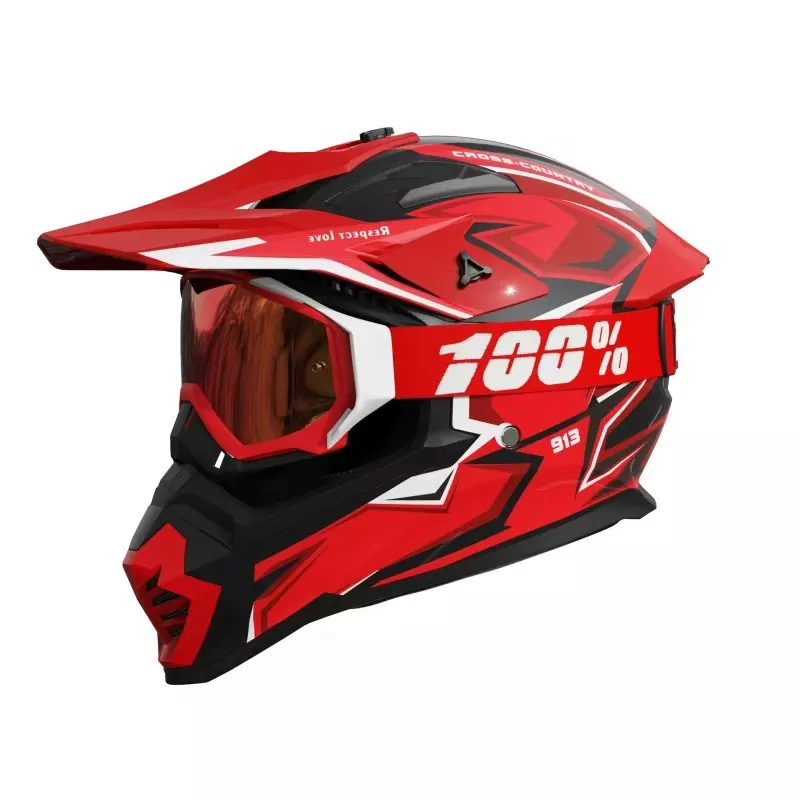
Plenty of riders get stuck on the same question: can you just grab an Off-Road Helmet and use it as a cycling helmet, or the other way around? The short answer is—no, you really can’t. The two come from completely different design philosophies, right down to the root. How they think about ventilation, where they put their protection priorities, how they handle your field of view—every single detail has the DNA of its intended riding environment baked right in. This article is going to pull apart the core differences between these two helmet types, so you can see for yourself why the whole “one helmet for everything” idea rarely turns out to be a smart move in the real world.
আমরা আপনাকে একটি ভাল ব্রাউজিং অভিজ্ঞতা দিতে, সাইটের ট্র্যাফিক বিশ্লেষণ করতে এবং সামগ্রী ব্যক্তিগতকৃত করতে কুকিজ ব্যবহার করি। এই সাইটটি ব্যবহার করে, আপনি আমাদের কুকিজ ব্যবহারে সম্মত হন। গোপনীয়তা নীতি


 03 2026-07
 01 2026-07
 12 2026-06
 22 2026-05
 15 2026-05